Book Appointment Now

Chemical Peel Treatment in Pune
Reveal Smoother, Brighter-Looking Skin
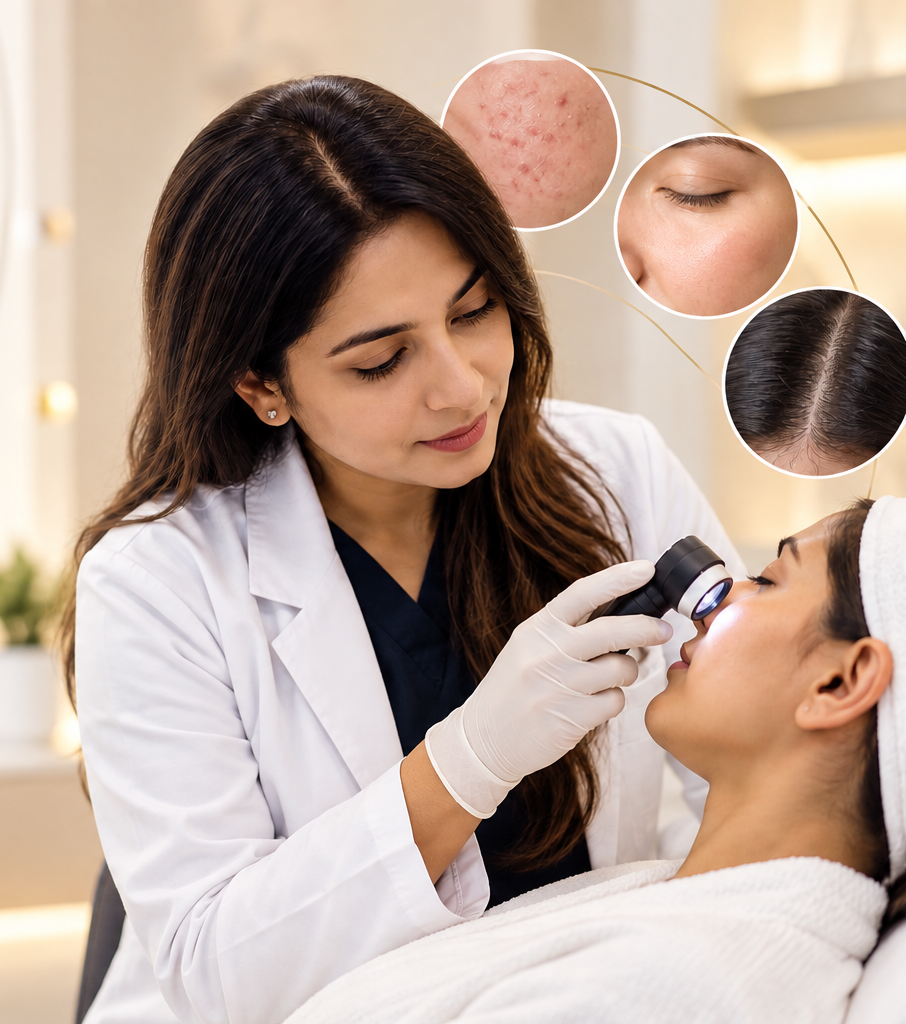
Explore personalized skin treatments designed to improve the appearance of uneven skin tone, pigmentation, acne marks, dullness and rough skin texture. The appropriate peel is selected according to your skin type, concerns and clinical suitability.
What is Medical Dermatology?
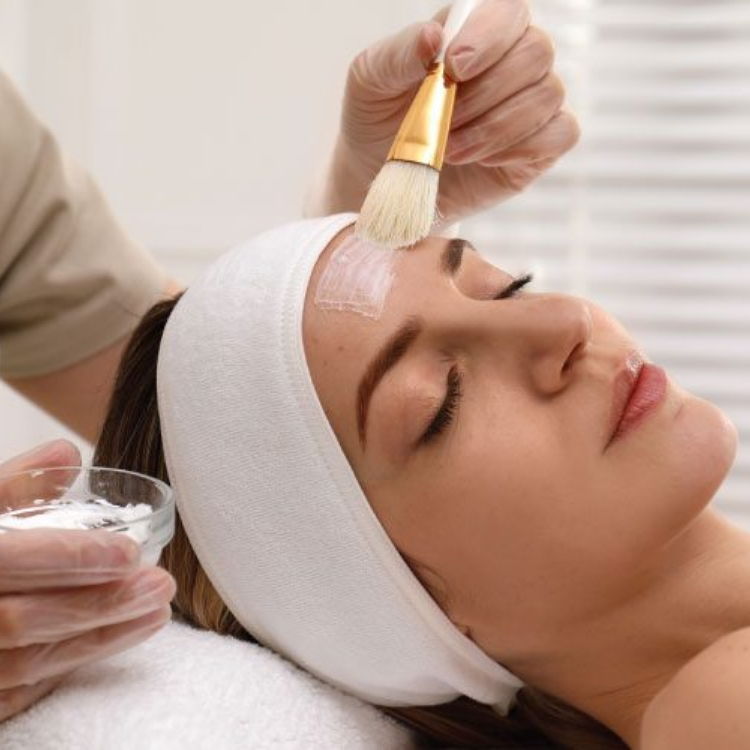
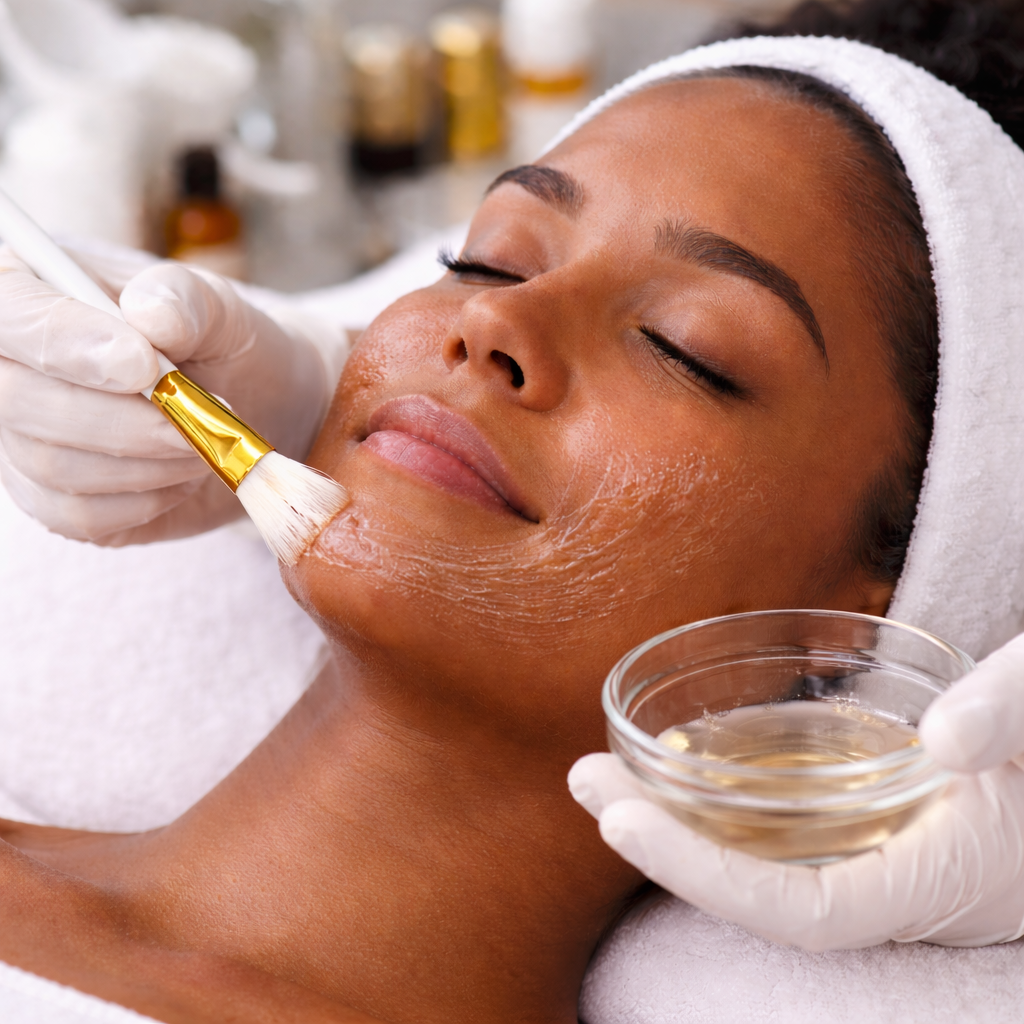
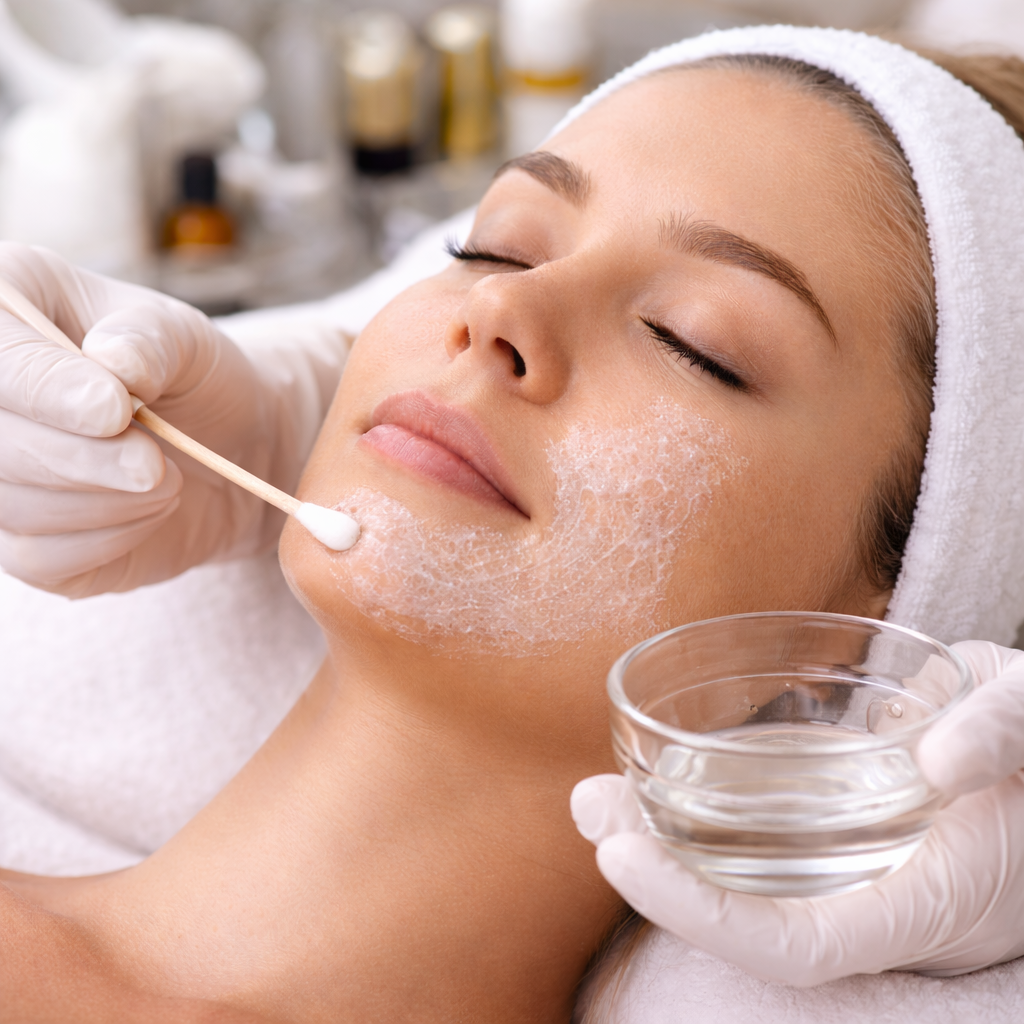
A chemical peel is a dermatological procedure that uses a carefully selected chemical solution to exfoliate the skin. Depending on the formulation and depth of the peel, it may help improve the appearance of superficial pigmentation, selected acne marks, uneven skin tone and rough texture.
Did you know?
Chemical peels vary in strength and suitability. The right peel depends on your skin type, sensitivity, existing skin conditions and treatment goals. Professional assessment is particularly important for skin prone to post-inflammatory pigmentation.
Why Choose Chemical Peels?
Every peel is selected according to your skin type, concerns, and lifestyle to deliver noticeable improvements without unnecessary downtime.

Improves skin tone and texture
Reduces acne marks and pigmentation
Enhances skin radiance and smoothness
Safe, customized treatments for different skin types
Services
Conditions We Treat

Glycolic Acid Peel
A commonly used superficial peel derived from alpha hydroxy acids (AHA) that exfoliates the skin gently.
When it is recommended:
For acne, dull skin, fine lines, and uneven texture.
What to expect:
Minimal downtime with gradual improvement in skin brightness.
Salicylic Acid Peel
A beta hydroxy acid (BHA) peel that penetrates oil glands and unclogs pores.
When it is recommended:
For acne-prone and oily skin, blackheads, and whiteheads.
What to expect:
Reduced oiliness and acne with mild, temporary peeling.
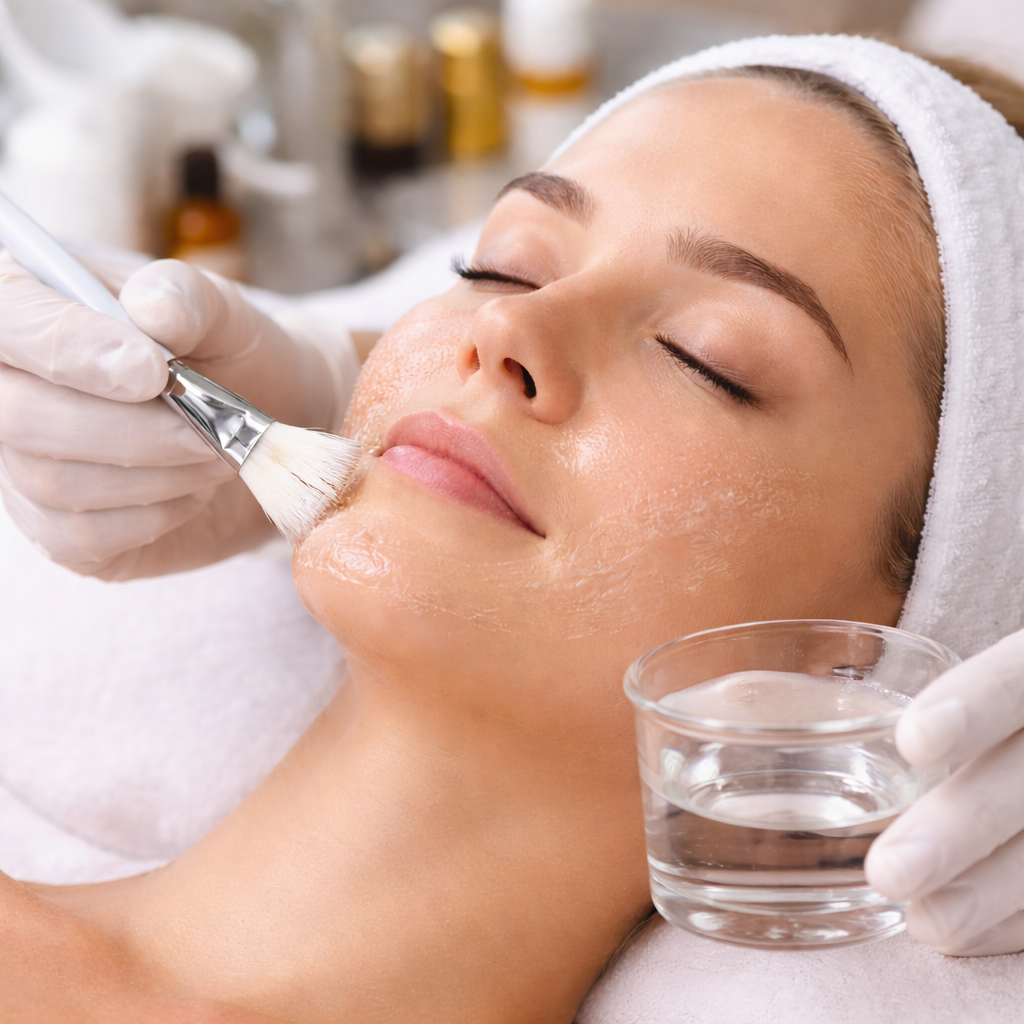
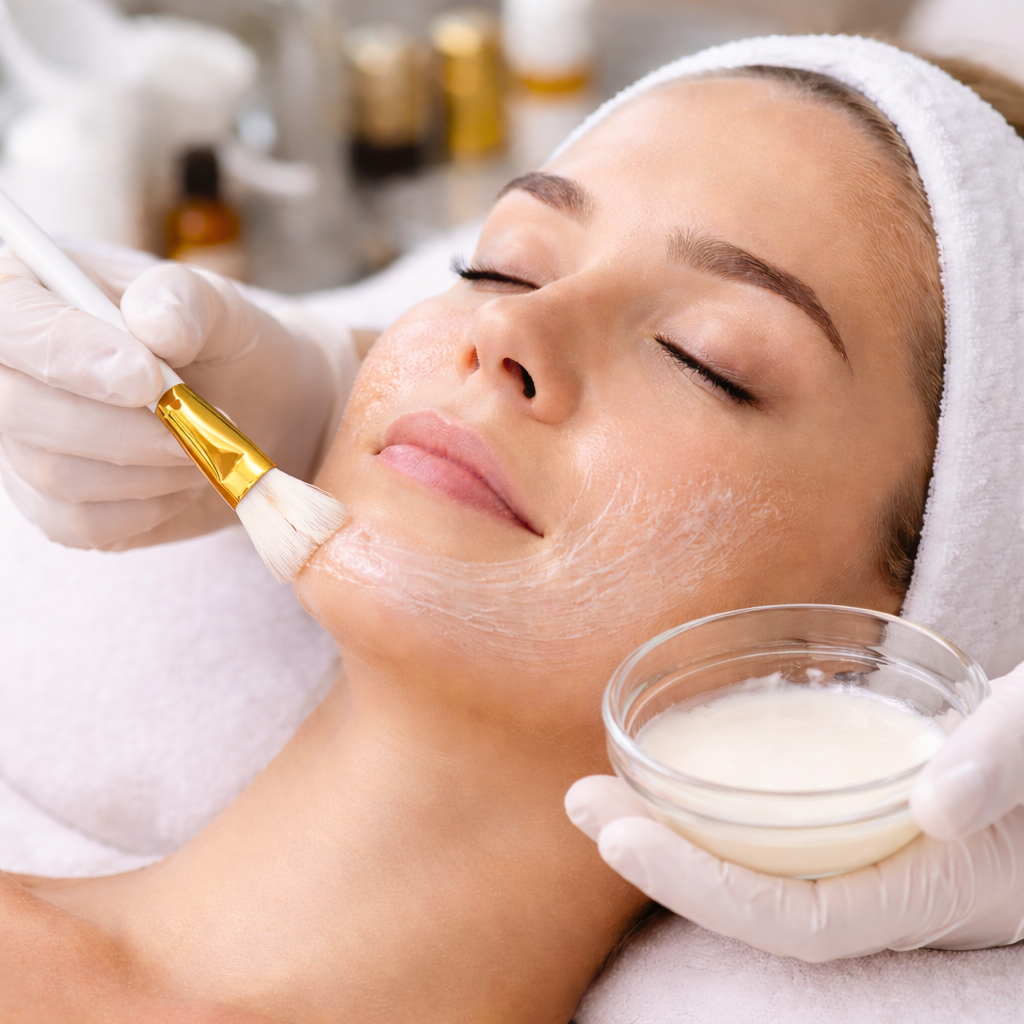
Lactic Acid Peel
A gentle peel suitable for sensitive skin that improves hydration and texture.
When it is recommended:
For dry, sensitive, or dull skin.
What to expect:
Smoother and more hydrated skin with minimal irritation.
Mandelic Acid Peel
A mild peel with antibacterial properties and larger molecules, making it safer for sensitive and darker skin tones.
When it is recommended:
For acne, pigmentation, and sensitive skin.
What to expect:
Even skin tone improvement with low risk of irritation.
TCA Peel (Trichloroacetic Acid)
A medium-depth peel used for more pronounced skin concerns.
When it is recommended:
For acne scars, pigmentation, and signs of photoaging.
What to expect:
Visible peeling and downtime, with significant skin renewal over time.

Meet Dr Rahul Siraskar
Dr Rahul Siraskar is an experienced dermatologist and cosmetologist with over 25+ years of clinical, academic and research experience. She currently serves as Additional Professor in the Department of Dermatology at KEM Hospital, Pune.
Her areas of interest include clinical and diagnostic dermatology, cosmetology, chemical peels, trichology and hair restoration. She has contributed to dermatological research through scientific publications, including work on chemical peels, and has delivered more than 100 academic presentations at conferences, continuing medical education programmes and scientific meetings.
Her approach emphasizes careful diagnosis, evidence-based treatment recommendations and individualized care for skin, hair, scalp and nail concerns.
Why Choose Us?
Accurate Diagnosis
A thorough clinical assessment helps identify the possible causes of skin, hair and scalp concerns and guides appropriate treatment recommendations.
Evidence-Based Treatment
Treatment options are discussed according to clinical findings, available medical evidence, individual suitability and potential benefits and risks.
Personalized Treatment Approach
Every patient has different skin characteristics, medical needs and treatment goals. Recommendations are tailored to the individual’s concerns and clinical assessment.
Comprehensive Skin & Hair Care
From common skin conditions and pigmentation concerns to hair loss, scalp disorders and selected aesthetic procedures, our focus is on addressing a broad range of dermatological needs.
Frequently Asked Questions (FAQs)
Are chemical peels safe?
Yes. When performed by a qualified dermatologist chemical peels are safe and customised according to your skin type and concerns. A detailed skin assessment is always done before treatment.
Will my skin peel after treatment?
Not necessarily. Some peels cause visible peeling, while others work beneath the surface with minimal or no visible peeling. The type of peel depends on your treatment goals.
How many sessions will I need?
The number of sessions varies depending on the concern being treated. Many patients benefit from a series of peels spaced a few weeks apart for optimal and long-lasting results.
Is the procedure painful?
Most patients experience only mild tingling or warmth during the procedure. The treatment is generally well tolerated and completed within a short time.
Can chemical peels treat acne scars?
Chemical peels can improve superficial acne scars, post-acne pigmentation, and skin texture. Deeper scars may require a combination of treatments, which we will discuss during your consultation.
Choose the Right Chemical Peel for Your Skin
Whether your concerns involve dullness, superficial pigmentation, acne marks or uneven skin texture, the right treatment begins with understanding your skin.
0
Patients Treated
0
Years of Experience